Ben Uri Collection

Break
Artist information
Born London, England
Find more work in the collection by this artist
Find out more about this artist
Visual artist and curator Edwin Mingard was born in London, England in 1984, the grandson of Cypriot immigrant grandparents, and studied philosophy at the London School of Economics (LSE). He is a Fellow of Teesside University’s Digital Cities programme and works mainly with the moving image, creating standalone artist's films and installations. Mingard’s projects focus particularly on art and social engagement and are the result of collaborative and co-creative processes involving both individuals and communities. He mentors and teaches other artists on behalf of universities and arts institutions (BFI, ICA, Chisenhale, Newcastle University) and consults on moving image projects for other artists and arts organisations. He also ran, on his own initiative, an independent art class for young homeless people (aged 14–21) in Stoke on Trent. He has been commissioned by bodies and institutions including the BFI, RSA, Northern Film+Media, the Wellcome Trust, Film London, among others. He was shortlisted for awards, including the ‘Cinereach Award’ (2012) and the ‘Border Crossings Award’ (2018). In 2015 he was commissioned by Ben Uri to create the artist's film 'Break', during a residency at Somerset House as part of Ben Uri's centenary programming at the exhibition 'Out of Chaos'. He is the recipient of prizes including the BFI/Doc Society ‘Made of Truth Award’ and ‘Guardian/Joseph Rowantree Foundation Award’ (both 2019).
In 2017 Mingard was Digital Artist in Residence at the Museum of Oxford, interviewing recent migrants and those in asylum services in the city, resulting in a fictional film, exhibited in the Museum of Oxford as part of the Journeys to Oxford project; the film and edited audio recordings from interviews are now in the Museum's permanent collection. In 2022 Mingard realised the film 'H Is For Hostile Environment', in collaboration with Dr. Keren Weitzberg, a researcher, writer and ethnographic consultant. The work explored the impact of anti-migration policies on East London and also celebrated the rich contribution to social and cultural life of people who have immigrated to the UK.
Object Details
Date 2015
Object type film
Medium 2k digital colour film
Materials and techniques film (technique)
Acquisition Commissioned to recognise the Ben Uri Centenary 2015, generously supported by the Heritage Lottery Fund
Accession number 2016-32
Display status not on display
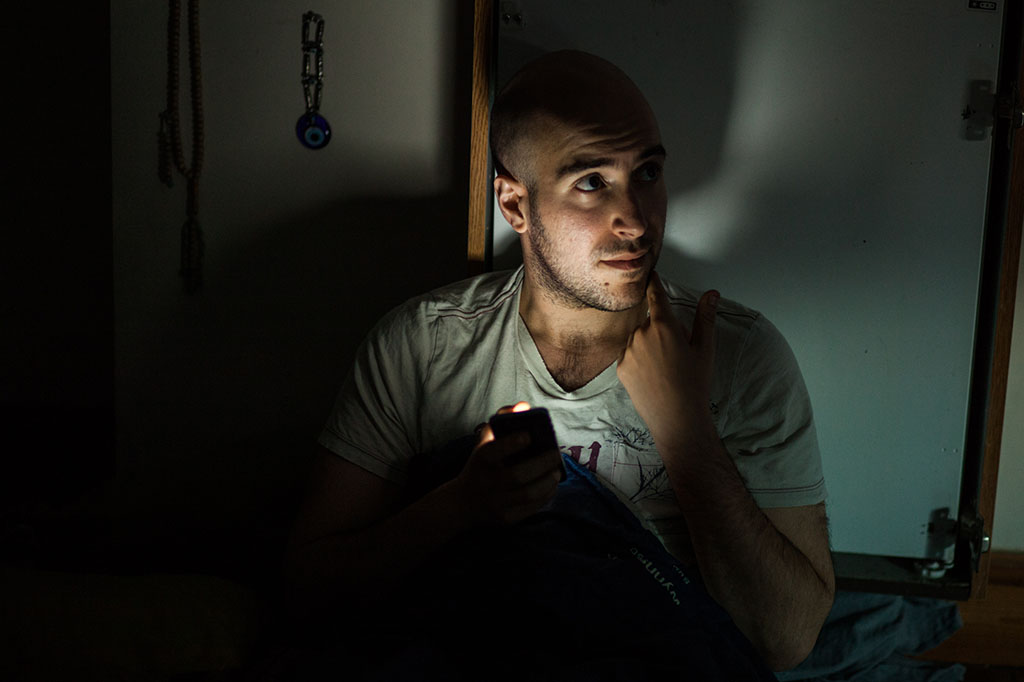
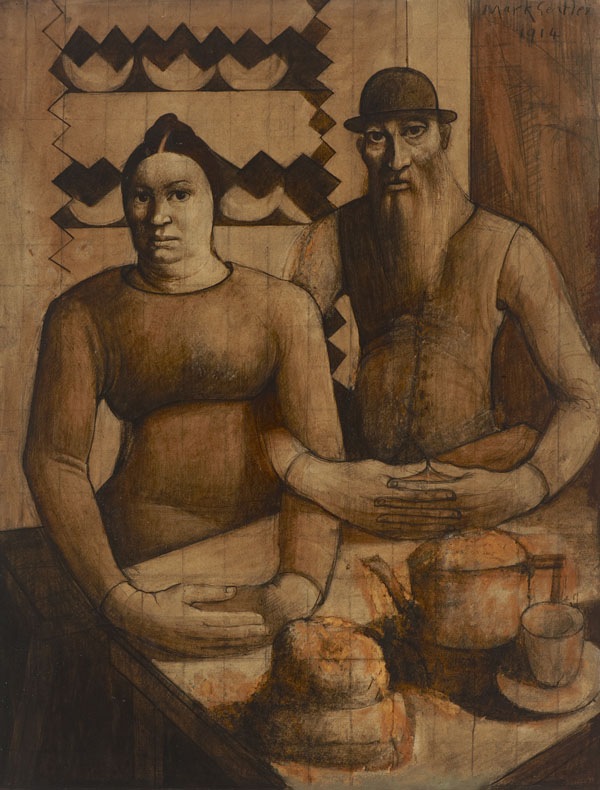
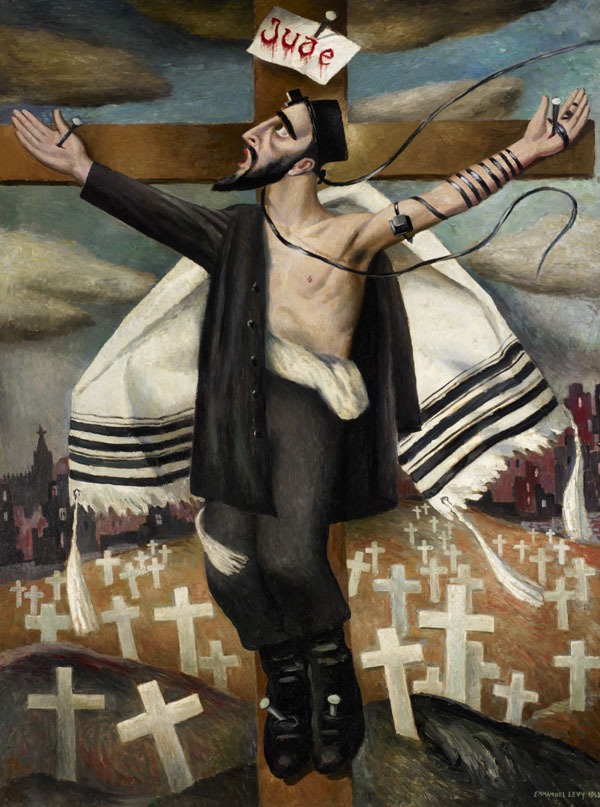
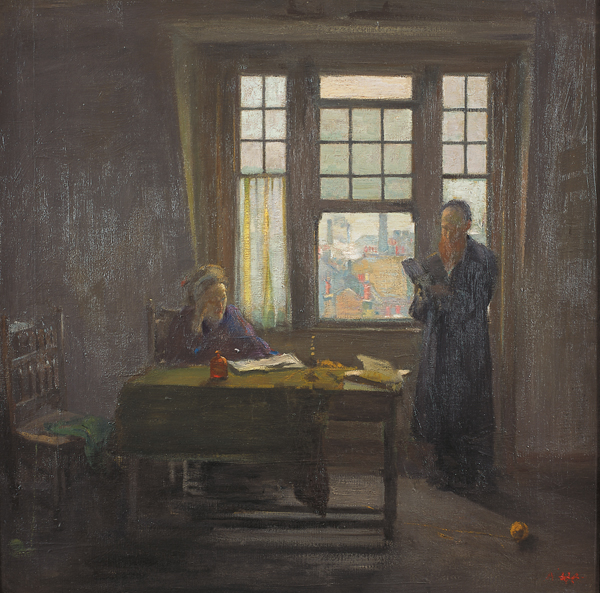
Break is a film by visual artist Edwin Mingard, commissioned by Ben Uri and supported by the Heritage Lottery Fund, as part of the centenary exhibition, 'Out of Chaos: Ben Uri - 100 Years in London', it premiered on 10 December 2015 at the Inigo Rooms at Somerset House, London. It tells the story of a few days in the life of Yousef, a recent arrival to London from Egypt. As Yousef makes plans to bring his wife and young daughter to the capital, he is forced to confront the reality of living as a migrant in a big city: overwork, poor living and working conditions, a lack of rights and the mental toll of being so far from those he loves. Certain costumes, scenes and shots in the film were inspired by or responded to artworks from the Ben Uri collection including Mark Gertler's Rabbi and Rabbitzin (1914), Emmanuel Levy's Crucifixion (1942), Alfred Wolmark's Sabbath Afternoon (1909) and Amy Drucker's For He Had Great Possessions (1932).
Keywords
break | commission | identity | immigrants | mental health | migration
Selected exhibition history
2015
Out of Chaos – Ben Uri: 100 Years in London
Somerset House
2016
Unexpected: continuing narratives of identity and migration
Ben Uri Gallery
2018
Acquisitions and Long-Term Loan Highlights Since 2001
Ben Uri Gallery
2023
Art, Identity, Migration - Ben Uri at the London Art Fair
Business Design Centre
Hover mouse cursor over image to zoom (you can also use the mouse wheel).
Related works
Rabbi and Rabbitzin
by Mark Gertler
Crucifixion
by Emmanuel Levy
Sabbath Afternoon
by Alfred Wolmark
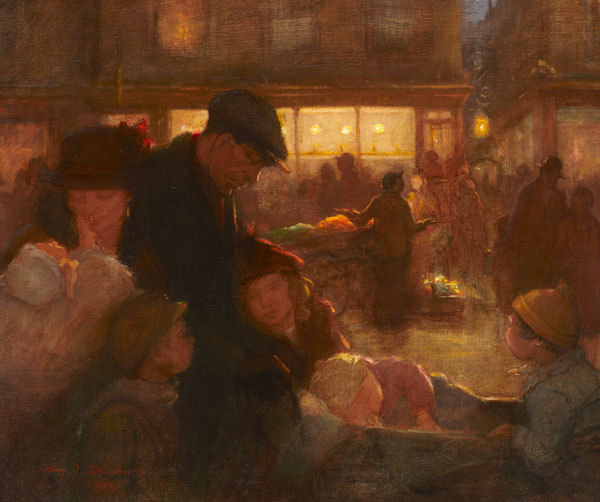
For He Had Great Possessions
by Amy Drucker